“Money goes where attention flows” — Steven Aitchison
Over the past few years, brands have realised that gaming is one of the few spaces that rivals social media in terms of attention. And while social media has been saturated with advertising since its early days, gaming largely wasn’t—until recently. Today, we see Fortnite and Roblox branded maps everywhere, with brands competing to engage gamers through customised experiences. Gaming has accumulated a massive brand footprint, especially as brands recognise that Generation Z and Generation Alpha spend more time here than anywhere else.
However, many brands still miss a critical point: every game has its own fandom, culture, and language. Each title carries its own references, behaviours, and emotional triggers. Gamers don’t act the same way across different games, and different games attract entirely different types of players. While data and statistics can highlight patterns, they never tell the full story.
Entering a game’s environment is like entering a new country with its own culture. Just as a tourist tries to be respectful when visiting another country—understanding its norms before expecting interest in their own ideas—brands should approach games in the same way. If you’re loud, intrusive, or demanding, the culture will reject you. Thoughtful brand activations should respect the game first, not dominate it.
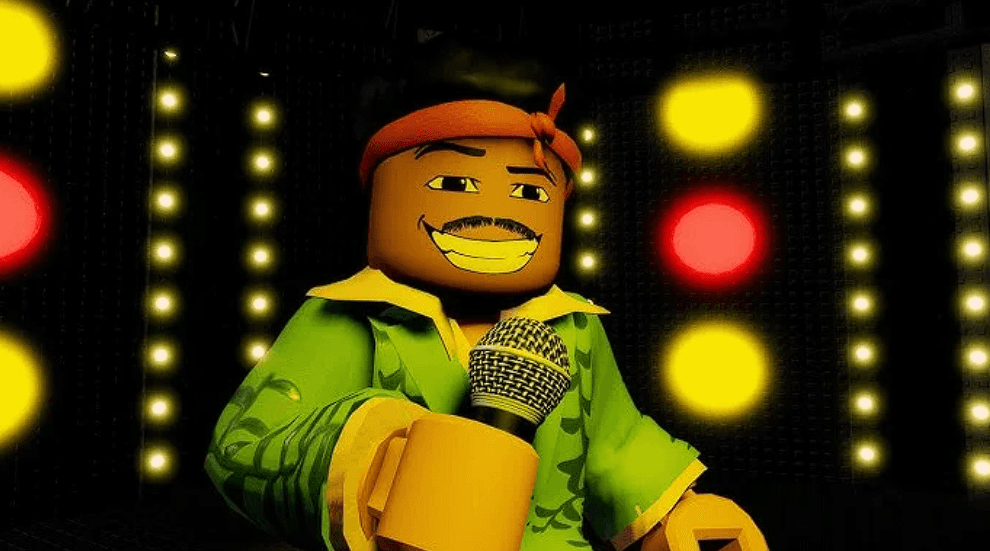
Bruno Mars did exactly that when he entered Roblox’s Steal a Brainrot, a creator-made Roblox experience, on January 17th, 2026. He didn’t take over the experience—he visited it. The audience was already there, already having fun, and the concert became an addition rather than an interruption. The event featured Bruno Mars performing his new single “I Just Might” alongside “Locked Out of Heaven.” Players could collect custom in-game items called “Brunito Marsito” collectibles, with more than 5.4 million items captured during the event.
Interestingly, player sentiment showed that many attendees were more focused on the rarity of the collectible than on the artist himself. For a younger Roblox audience, some were even asking, “Who is Bruno Mars?”
And that’s where Bruno Mars truly hit the jackpot.
The activation engaged players through something they already valued—a rare in-game collectible—while introducing them to a globally recognised talent. It sparked curiosity among an audience that was culturally unfamiliar with the artist, encouraging discovery rather than forcing awareness. The result? A huge success. Roblox reported more than 53 million off-platform organic views across YouTube, TikTok, and other social platforms. Shortly after, “Locked Out of Heaven” re-entered the global Spotify chart at #14.
Bruno Mars didn’t create attention from scratch. He absorbed attention that already existed—and amplified it far beyond the platform.
This is how brands should think about cultural integration in gaming. It’s not about becoming a walking billboard. It’s about offering something that genuinely resonates within that game’s culture—something players already enjoy—so they want to learn more about what you’re doing beyond the game. This isn’t easy. It requires people who understand the culture from the inside.
At Mana Partners, that’s exactly what we do. We’re gamers ourselves. We spend time in different games because we genuinely enjoy them. No matter which game or ecosystem you’re looking to enter, someone on our team understands its culture deeply. Our tastes vary widely, which allows us to guide brands toward the communities that best fit them—and toward the cultures that are most likely to welcome them.
Because in gaming, attention isn’t something you buy.
It’s something you earn.
Author

Seif Seoudy
We build brands that speak the language of gamers. Authentic, electrifying, unforgettable.