Gaming's most compelling brand partnerships don't just borrow from culture. They give something back to it.
Mobile Legends: Bang Bang's collaboration with the SexBomb Girls, timed to the game's 10th anniversary Summer Break campaign, is a textbook example of a publisher understanding that its platform has become something bigger than a game. In the Philippines, MLBB isn't just where millions of players compete. It's where culture lives.
What Happened
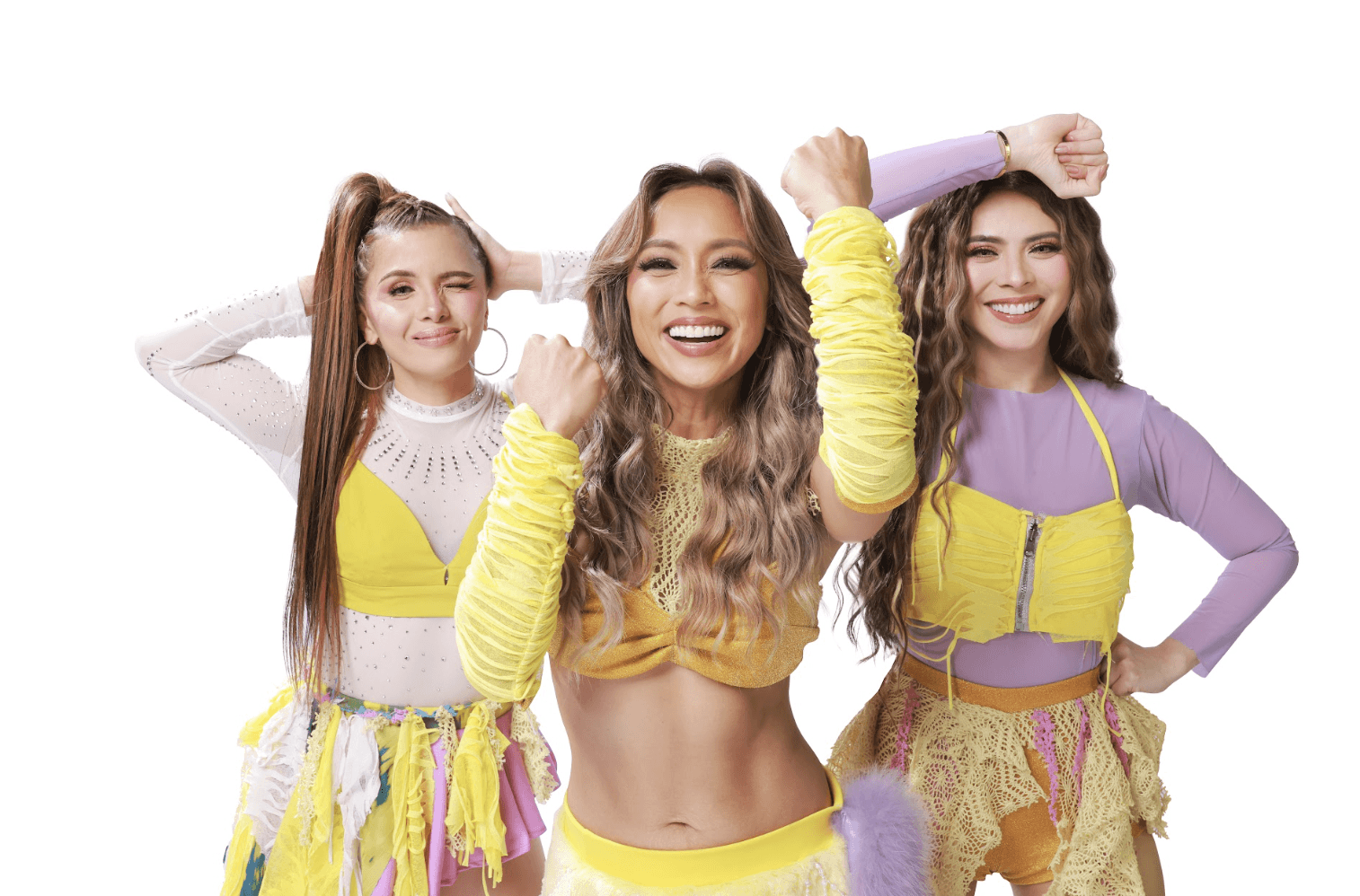
MOONTON Games launched a limited-time collaboration with the SexBomb Girls, one of the Philippines' most enduring pop culture institutions, as part of MLBB's Summer Break campaign. At the centre of the activation was the "Get, Get, Aw!" Battle Emote, a free in-game reward available through a five-day login event running from April 5 to 19, 2026. The emote draws directly from the group's signature choreography, the kind of movement that an entire generation of Filipinos can recall without prompting.
The collaboration went beyond a cosmetic drop. MOONTON attached a community milestone mechanic to it, targeting 12 million emote claims as an unlock threshold for tiered rewards including exclusive merchandise, signed collectibles, and in-game prizes. A reimagined version of the group's track "Halukay Ube," adapted with MLBB-themed elements, served as the campaign's official music video. Members Aira Bermudez, Rochelle Pangilinan, and Mhyca Bautista appeared across campaign assets, bringing their personalities directly into the Land of Dawn universe.
Why It Worked
The SexBomb Girls didn't become a cultural reference. They became a cultural institution. Their rise in the early 2000s through daily television presence turned simple choreography into something every Filipino household shared, well before the age of algorithmically amplified content. That kind of cultural penetration doesn't fade. It sediments. MOONTON understood that tapping into the SexBomb Girls wasn't nostalgia marketing. It was a precision move on a generational frequency that MLBB's Filipino player base already operates on.
What makes this activation strategically sound is how it handled both audiences at once. For players who grew up during the SexBomb Girls' peak, the emote is a genuine cultural artefact, not a copy of something recognisable but the thing itself rendered in a new medium. For younger players encountering the group for the first time through MLBB's channels, it functions as discovery. The community milestone mechanic was smart here too: it transformed individual nostalgia into collective participation. Claiming the emote became an act of shared identity, not just a free reward.
Rochelle Pangilinan's commentary on the collaboration deserves attention beyond the press release it appeared in. Her reflection that she thought her era of "firsts" was behind her at 40, before MLBB proved otherwise, carries a resonance that no brand brief could have written. That kind of authentic response to an activation is what separates partnerships with genuine cultural logic from those that are simply licensed. MLBB gave the SexBomb Girls a new stage. The group gave MLBB something you can't manufacture: sincerity.
The Broader Signal
Publishers in Southeast Asia have been increasingly aggressive in localising their activations, but few have been as deliberate as MOONTON in treating local culture as the product, not just the packaging. This collaboration, framed as part of MLBB's 10th anniversary build-up, signals something important: the game is no longer just a competitive platform. It is becoming a cultural archive for the communities it serves, one that can hold a SexBomb Girls emote alongside esports tournaments without either feeling out of place.
For brands watching from the outside, the lesson here is not "partner with a nostalgic IP." It's that the most effective gaming integrations are the ones that understand why a community loves what it loves, and find a way to honour that understanding at scale. Twelve million emote claims is not just a KPI. It's a measure of how many players felt seen.
Gaming is no longer where culture arrives late. In markets like the Philippines, it's where culture is happening.
If you are a brand or publisher looking to integrate into gaming and culture in a way that builds real relevance and long-term impact, Mana Partners helps you make lore, not noise.
Author