
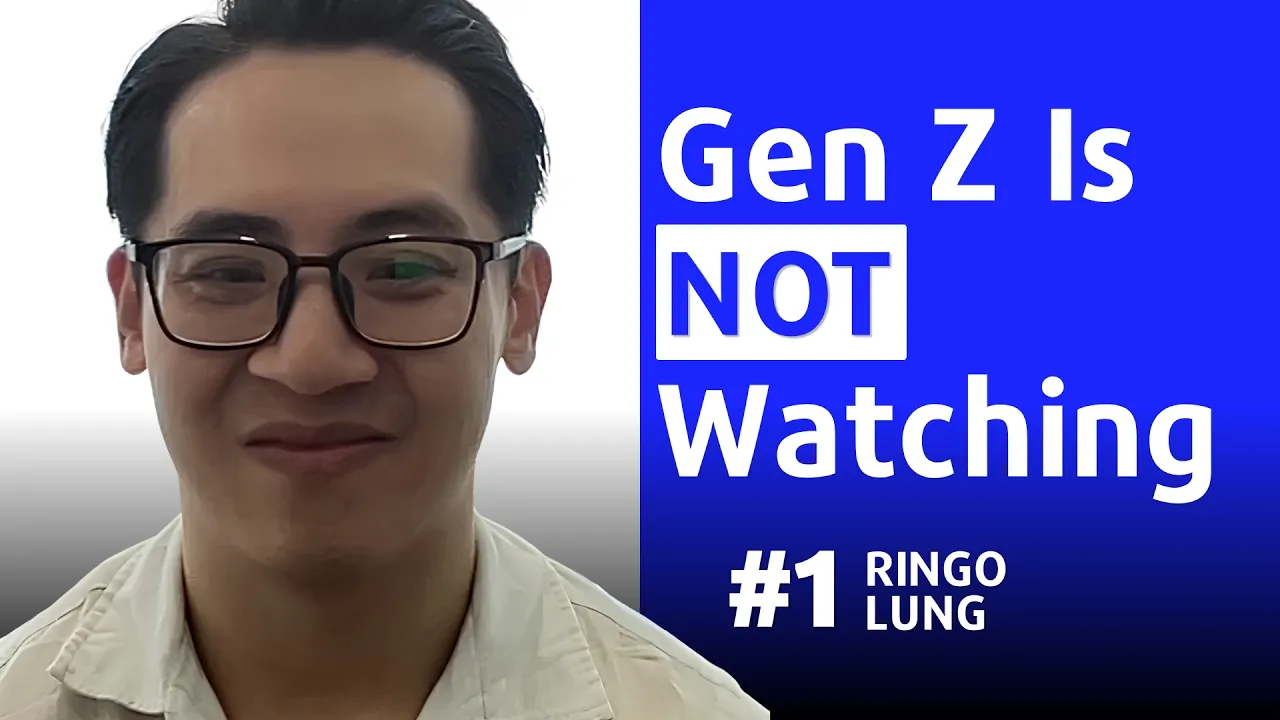
We sat down with Ringo Lung, who leads brand partnerships for Moonton, the studio behind Mobile Legends: Bang Bang (MLBB), for the first Mana Partners Culture Pulse conversation. A football stadium and a mobile esports arena do not look alike, but stand inside either one during a decisive moment and the energy is identical: drums, flags, chants, thousands of people who have built part of their identity around what happens on the pitch or in the arena. Ringo's career started in traditional sports at FC Barcelona before he moved into mobile esports, and that dual lens, stadium and screen, shapes how he thinks about what brands get right and wrong when they try to enter gaming culture.
Watch the full conversation with Ringo Lung below.
Why Esports Fandom and Stadium Passion Run on the Same Fuel
Ringo's first observation cuts against an assumption a lot of marketers still hold, that esports is a smaller, less emotional cousin of "real" sports. He pointed to MPL, Malaysia's domestic Mobile Legends: Bang Bang league, and described crowds bringing the same drums, flags, and emotional investment found in any football stadium.
The passion is not a smaller version of sports fandom. It is the same fandom, running through a different screen.
For CMOs, that should land as both reassurance and warning. The emotional intensity brands are chasing already exists inside gaming communities, fully formed. What does not transfer automatically is the method of reaching it. A sponsorship logo that earns goodwill on a jersey does not automatically earn the same goodwill on a loading screen, because the person watching is not consuming media in the traditional sense. They are living inside a community they helped build, and they notice who shows up as a guest versus who shows up as an interruption.
Gaming Culture Is Something Brands Join, Not a Channel They Buy
This is where most brand partnerships in gaming fall apart before they start. Ringo was direct about it: Gen Z does not just play these games, they build identity around them, and that single fact changes the rules of engagement entirely. "In order to cut through the noise and really stick, you need to add value. Otherwise, you are just another ad," he said.
That line separates the brands that succeed in gaming marketing from the ones that buy impressions and call it a partnership. Traditional media treats an ad as an acceptable interruption to whatever the viewer was actually there for. Gaming communities do not extend that courtesy by default. An ad that adds nothing gets read as exactly what it is, and fans inside ecosystems like MLBB are quick to call it out. The brands that get amplified instead of ignored are the ones that respected the space enough to add something to it first.
The Numbers Behind Moonton's MLBB Growth
The scale Moonton is operating at makes this philosophy hard to dismiss as idealism. Mobile Legends: Bang Bang has surpassed 1.5 billion global downloads and holds more than 110 million monthly active users, placing it among the largest mobile esports ecosystems in the world. At the M7 World Championship, Moonton generated over 180 million US dollars in media value for its partners, a return that holds its own against traditional sports sponsorship at scale. With MLBB's flagship events now expanding to stages like Istanbul, the audience brands are being asked to enter is not a future bet. It is already global, already organized, and already running on its own internal language.
What Visa, Fairy Jewelry, and Realme Understood About Gaming Marketing
Three case studies from the conversation show what it looks like when a brand treats that internal language as something to learn rather than something to talk over.
Visa's Mythic VIP experience skipped the logo-placement playbook entirely, co-creating backstage tours and premium seating that gave fans access they could not get anywhere else, in-game or out. Fairy Jewelry arrived at the same insight through a different door: recognizing that players pour real time into customizing in-game identities and ranks, the brand built jewelry collections inspired by game characters and competitive rank tiers, turning a cosmetic obsession into a wearable one. Realme, meanwhile, moved its own success metric away from reach and toward search intent, tracking whether fans were actively searching for the product rather than simply seeing it pass by on a feed. Three different mechanics, one shared decision: contribute something the fandom could not generate on its own.
Where Brand Partnerships in Gaming Still Go Wrong
Not every brand entering gaming gets this far. The most common error is still treating gaming as a single, generic media category, when gaming is as broad and varied as sports itself. A brand chasing relevance inside MLBB needs a different playbook than one entering a battle royale title or a sandbox platform, because the IP, the audience, and the internal culture are not interchangeable. Picking the platform that genuinely overlaps with a brand's target audience matters more than picking the platform with the loudest headline numbers.
The second error is treating any of this as a campaign instead of a presence. One activation, however well produced, does not build the long-term stickiness that turns a brand into something a community recognizes as its own. The partners Ringo cited as successful were not the ones with the single biggest moment. They were the ones still showing up.
Passion does not change between a stadium and an arena. What changes is whether a brand walks into that passion as a guest worth having, or an interruption worth skipping.
If you are a brand or publisher looking to integrate into gaming in a way that builds relevance and long-term impact, Mana Partners helps you make lore, not noise.
Author

Seif Seoudy
We build brands that speak the language of gamers. Authentic, electrifying, unforgettable.


