The FIFA World Cup 2026 is not just the biggest sports marketing moment of the decade. It is also becoming one of the clearest tests of whether brands can move beyond spectacle and into something with real structural relevance. Dove's entry into the tournament, titled "The Game Is Ours," is a case study worth reading carefully. Not because it is loud. Because it is precise.
The Activation
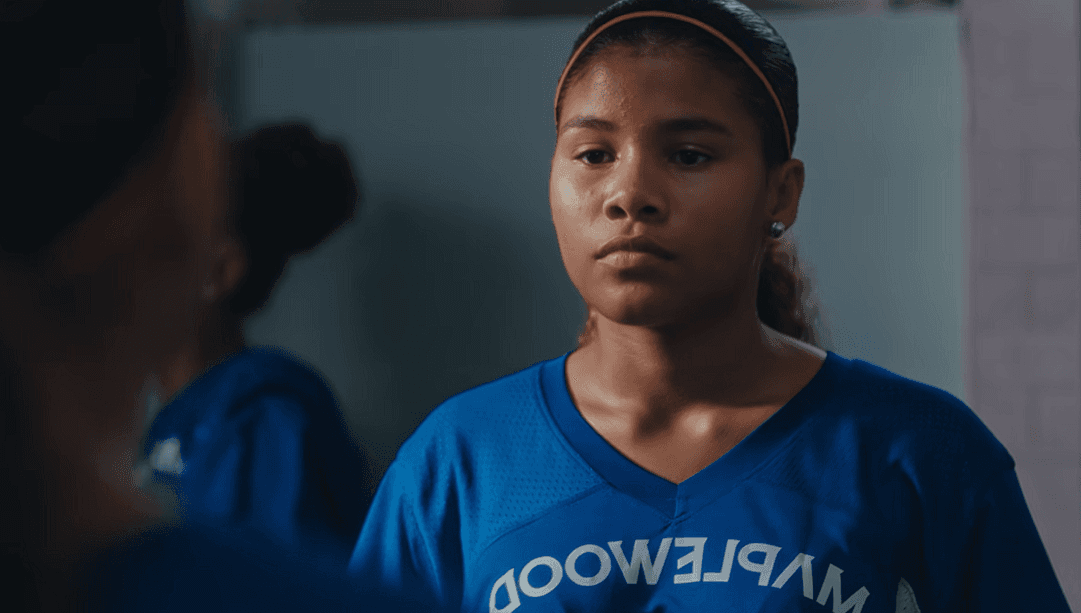
Dove launched "The Game Is Ours" during FIFA World Cup 2026 as a campaign built around one uncomfortable truth: one in two girls who stop participating in sport have experienced criticism about their body. The campaign film uses the actual sounds of girls playing sport as its creative foundation, with voices, movement, and match-day energy gradually overpowering the noise of negative commentary about appearance. It is a simple brief, executed with restraint.
Alongside the film, Dove introduced the Joy Cam, a content initiative developed in partnership with Getty Images, designed to capture and distribute images of girls' experiences at matches throughout the six-week tournament. That content will run across social, digital, and out-of-home, with the goal of increasing the visibility of girls within football culture at the exact moment when global eyes are on the sport.
Dove is also present on the ground through Unilever's Fresh Clubhouse activation, operating in New York, New Jersey, Los Angeles, and Dallas, with a dedicated space tied to the campaign's themes and product sampling from its limited-edition Palo Santo and Sage range.
Why This Works
The strategic logic behind this activation becomes sharper when you layer in the audience data. According to GWI, 92% of female FIFA World Cup fans used a personal care product in the last week. Only 36% of them used Dove. That is not a brand health crisis. That is a conversion opportunity sitting inside one of the highest-attention media environments on the planet.
But Dove is not just chasing market share. The campaign was built to work in both directions at once. Internally, it speaks to girls at risk of leaving sport, which is where Dove's Body Confident Sport programme has been operating since 2023, reaching over 137 million young people across more than 150 countries. Externally, it aligns directly with FIFA's institutional goal of reaching 60 million female players by 2027. As Marcela Melero, Chief Growth Marketing Officer at Dove, made clear: this tournament is a powerful opportunity to help girls feel they belong in the game, because when confidence goes up, the likelihood of girls staying in sport goes up with it.
That alignment is not cosmetic. Dove is not borrowing the World Cup's audience for awareness. It is inserting its mission into the structural ambition of the sport itself. That is a very different kind of partnership than a logo on a shirt.
The Signal for Brands
Most brands entering a World Cup cycle are optimising for reach. They want visibility, association, a share of the conversation. Dove is doing something more nuanced: it is using the tournament as validation infrastructure for a long-term behaviour change programme. The Joy Cam is not just a content play. It is a distribution mechanism for a story that Dove has been building for three years.
This is the model that earns relevance rather than rents it. The brands that will be remembered from FIFA World Cup 2026 are not the ones with the most real estate. They are the ones whose campaign logic holds up once the tournament is over.
Dove has built something that will.
If you are a brand looking to activate around major sports moments in a way that builds cultural relevance and long-term impact, Mana Partners helps you make lore, not noise.
Author

Seif Seoudy
We build brands that speak the language of gamers. Authentic, electrifying, unforgettable.