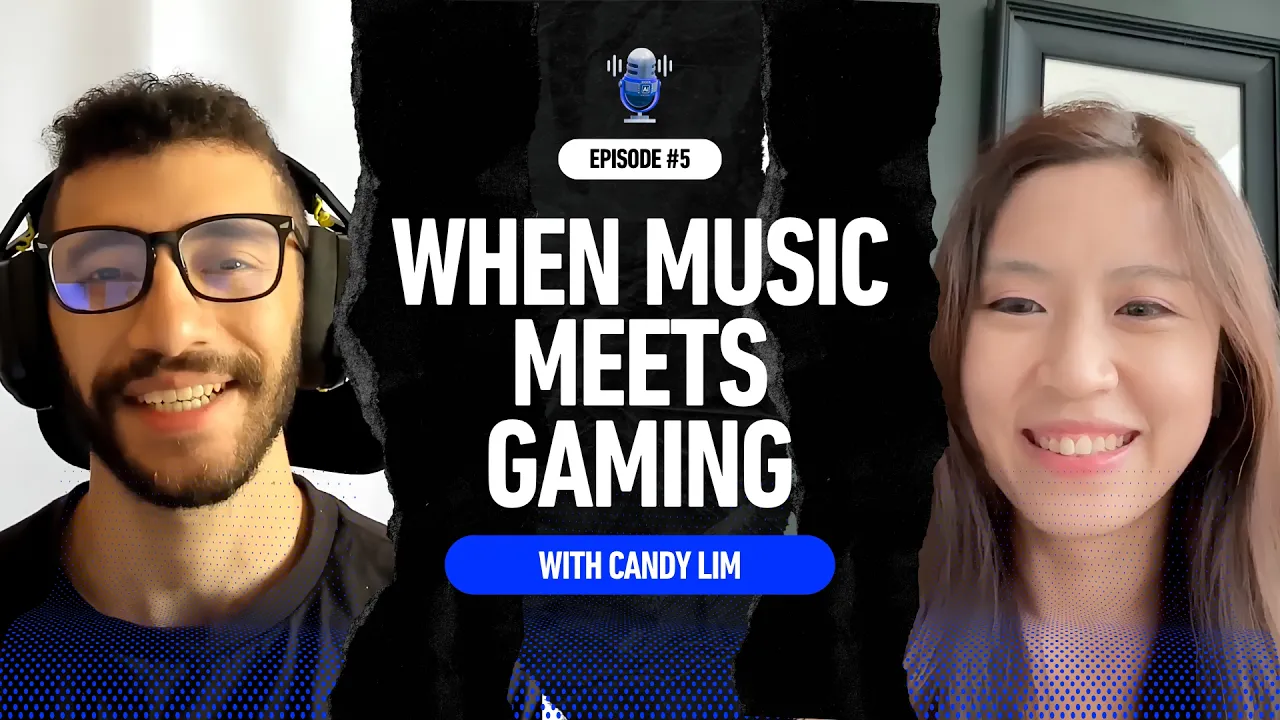
Music and gaming brand partnerships work when brands back real momentum instead of bolting an artist onto a finished campaign, says Candy Lim, founder of Ride the Wave Entertainment.
Most CMOs now agree that culture is where attention lives. Fewer have worked out how to show up there without looking like they bought their way in. Music and gaming sit at the center of that problem. The audiences overlap almost completely, yet the industries that serve them still plan in separate rooms, on separate budgets, with separate agencies.
In this episode of Culture Pulse, we sat down with Candy Lim to talk about what happens when you stop treating them as separate. Candy has worked on both sides of the line: brand partnerships at Sony Music, global and regional marketing at Coda Payments, and marketing at Razer. Her view is shaped by years of watching fans react in real time, often from inside the Reddit threads and Discord servers where they speak most freely.
Music and Gaming Audiences Use Culture to Say Who They Are
Candy's starting point is simple. Fans do not file themselves into a music box and a gaming box. They discover through social content, share early to claim status, and play music while they game, stream, and meet friends inside games. Many people who play daily would not even call themselves gamers. The cultural lines are fluid, even though the industries are organised into neat categories.
That matters because the audience behaviour is the same in both worlds. Fans want to be first, they want to belong, and they want a role. Gaming audiences push this further. They expect to interact, personalise, and influence, which makes them far less passive than a typical listener.
The Right Brand Moment Is Not Always the Biggest One
Candy's best partnerships at Sony Music never started with the loudest cultural moment. They started with genuine momentum, and a credible role for the brand in helping it grow.
She points to a rooftop showcase with Australian singer songwriter Ruel, built to give a relaunching hotel property a cultural identity. The setting was intimate, the fans were devoted, and the brand elevated the artist as much as the artist elevated the brand. Then there was Henry Moody, who went viral after busking in Bangkok's Siam district. Nobody manufactured that moment. Candy's team brought him back to Thailand to shoot his next video in a theme park, and the comments filled with fans welcoming him home.
The lesson is uncomfortable for anyone who plans twelve months out. The right moment is not when attention peaks. It is when the energy is real and the brand can keep it going.
It also demands speed. Candy was in Korea discussing a partnership with FIFTY FIFTY just before Cupid took off, and the deal did not land in time. Approval chains, email loops, and slow sign-off are the quiet killers of cultural relevance.
Integration Beats Placement in Music and Gaming Collaborations
Candy draws a hard line between a promotional add-on and a real integration. An add-on takes an existing campaign and attaches an artist or a streamer at the end. An integration changes the mechanics, so music responds to gameplay and the community has a role beyond watching.
Her reference point is Riot Games. Lil Nas X took over the office as a flamboyant boss for a day, the content played off his personality, and a song for the esports finals tied it together. Each touchpoint led to the same story, and all of it was planned well in advance.
Our own example from the conversation is Imagine Dragons and League of Legends. Seif admitted it took three exposures to turn from passing listener into fan, and now the two are hard to separate. That is frequency doing its job, and it explains why Candy recommends pairing a pivotal name with a rising one, so the brand never goes missing between big moments.
What Gaming Audiences Actually Reward
Candy learned at Razer that gaming audiences work like a radar. They tell you immediately what works, and they reward cultural fluency, usefulness, and respect. If an artist plays the game, people notice. If they do not, people ask who they are.
That is why the Razer work with Blackpink and K-pop talent landed, and why her Genshin Impact campaign for Coda in Korea built credibility. Fans commented that they knew it was paid and still loved it, because the creator understood the game and the work was done well. Candy's advice on measurement follows the same logic: set the objective, run a pilot, find the hero, and keep going when the signals are good rather than walking away after one win.
The Gap Most Brands Still Miss
Candy sees most brands stuck in a campaign mindset when they need an ecosystem mindset. That means knowing the audience, knowing what value you can contribute consistently, and building rapport with creators and communities over time. It also means having people in the room who actually know both industries, whether hired internally or brought in as specialists. A brand that cannot tell a FIFTY FIFTY moment from a Lil Nas X moment will miss both.
Candy is now building a platform at the intersection of music, gaming, and fan culture, due in Q4, designed to give fans interactive ways to discover artists and unlock experiences beyond streaming.
Serve the community first, and the credibility follows.
If you are a brand, artist, or publisher looking to integrate into gaming and music culture in a way that builds relevance and long-term impact, Mana Partners helps you make lore, not noise.
Author

Seif Seoudy
We build brands that speak the language of gamers. Authentic, electrifying, unforgettable.